How do we create thermally conductive polymers for electric vehicles?
Thermally conductive fillers such as SILATHERM® from Quarzwereke and Boron Nitride from 3M can increase the thermal conductivity of polymers.
In our Knowledge centre, you can find the articles that out Technical Sales Team have written about common topics from across our markets.
Showing "68" articles
Thermally conductive fillers such as SILATHERM® from Quarzwereke and Boron Nitride from 3M can increase the thermal conductivity of polymers.
Plastic films sticking together is a problem called film blocking within the polymer industry. This affects end users struggling to separate bin bags as well as manufacturers with production issues. Anti-block agents are designed to resolve film blocking, but choosing the correct one with organic, inorganic, synthetic and natural options can be challenging. Here, we break down what they are, how they work and how to chose the right one.
Geotech has a range of pigments that are resistant up to 900°C and suitable for use in plastics. These can give unique effects including pearlescent, metallic and marble effects.
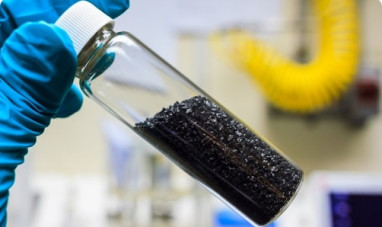
Recovered Carbon Black utilised end-of-life tyres to replace the need for virgin carbon black.
Removing water and other chemicals from air is a challenge many industries face. BASF produce a range of high-quality, long-lasting desiccants including activated alumina, molecular sieves and silica gels.
Reducing virgin and single-use plastic is a key concern of many manufacturers, including those making household cleaning products.