High-Temperature Expandable Graphite for Engineering Polymers
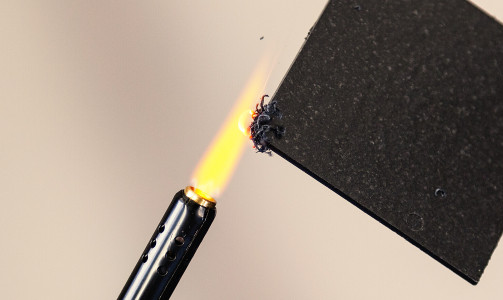
High Temperature Expandable Graphite from LUH is able to be used in thermoplastics without expanding during the extrusion process.
 Continue Reading...

 1 Minute Read
 By Danielle Williams

Valida is a unique fibrillated cellulose that forms an extensive 3D network in water via a combination of hydrogen bonding and mechanical entanglement. Able to stabilise both solid particles and oil droplets in suspension, Valida improves in-can stability, reduces cracking during drying, and adjusts open time in addition to imparting thixotropy.
Learn more about the benefits of Valida in the below video from SAPPI.
For further information on Valida fibrillated cellulose, visit our product page or contact your account manager.

Danielle studied Chemistry at the University of York, where she earnt her MChem with a focus on Green Chemistry. She started with us in 2013, specialising in Coatings and has since progressed to a Business Development Manager looking after both Construction and Coatings accounts. Since 2020, Danielle has also been in charge of overseeing our marketing activities.
 View All Articles By Danielle Williams
 5 Minute Read
 5 Minute Read
 3 Minute Read
VIEW ALL ARTICLES
3 Minute Read
VIEW ALL ARTICLES
High Temperature Expandable Graphite from LUH is able to be used in thermoplastics without expanding during the extrusion process.
Continue Reading...
 5 Minute Read
Micaceous Iron Oxide (MIO) is a naturally occurring iron oxide used in protective coatings due to a lamellar/platy morphology that allows it to form a barrier towards the ingress of water.
Continue Reading...
 5 Minute Read
Thermochromic pigments, such as Chromazone®, enable formulators to create products with dynamic and heat-sensitive, colour changes. These smart materials have found their way into various applications, from functional safety indicators to eye-catching promotional products. For example, reversible thermochromic pigments are used in novelty mugs that reveal hidden designs when filled with hot beverages, packaging that signals when food or drink is at the optimal temperature for consumption, security labels for brand protection and anti-counterfeiting, and temperature-sensitive warning indicators on surfaces or medical devices.
Continue Reading...